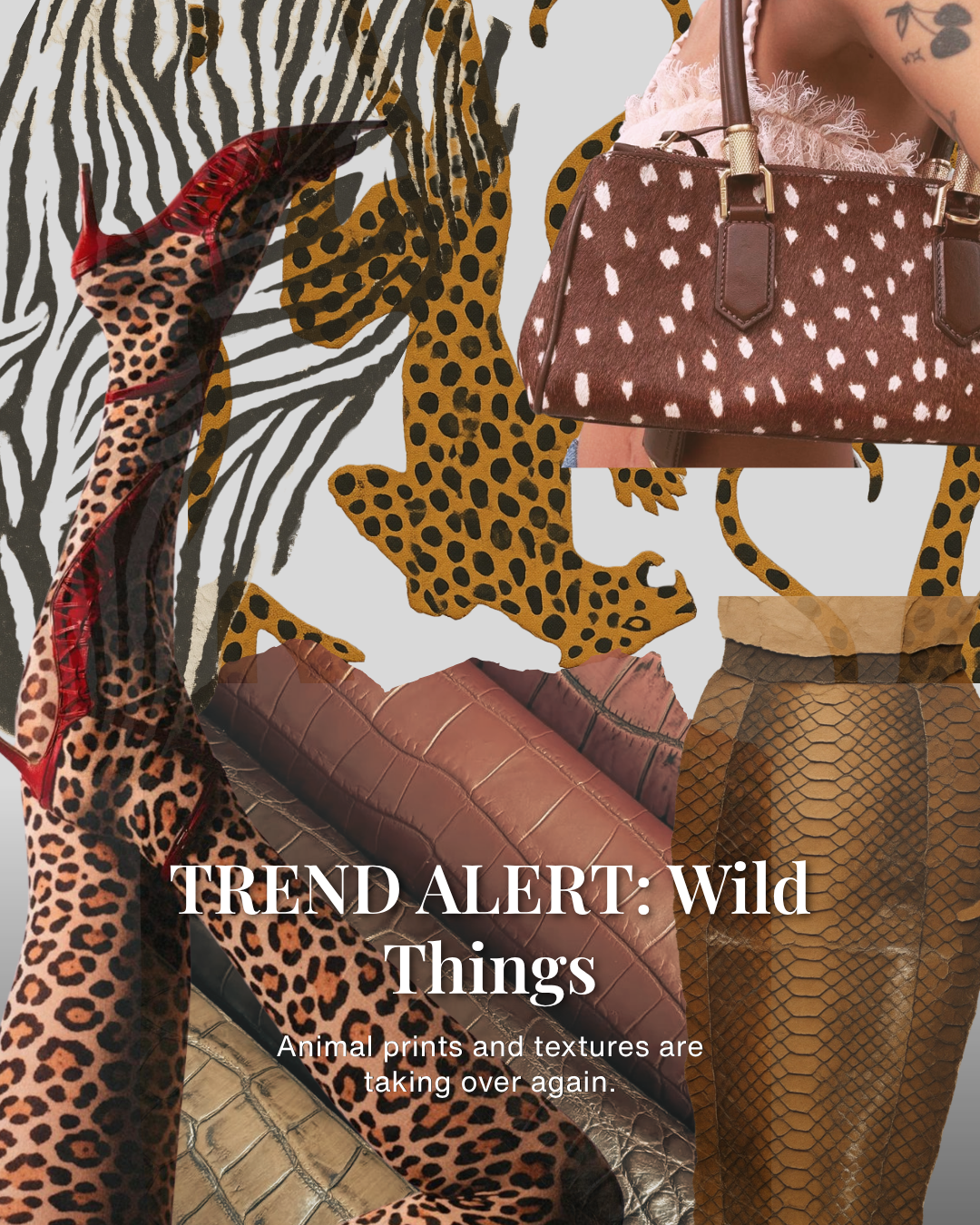
Leopard, zebra, Bambi, crocodile. Apparently, the entire animal kingdom has made its way into our wardrobes.
For Autumn/Winter 2026, animal print has returned as one of the season’s defining motifs. Tom Ford, Bottega Veneta, Balmain, Carolina Herrera, Celine, Fendi and Givenchy all embraced leopard, zebra, snake, cheetah and croc-inspired textures across clothing and accessories.
Our take? Some things are better left in the wild. We’re all for a statement look, but do we really need to dress like the whole safari?
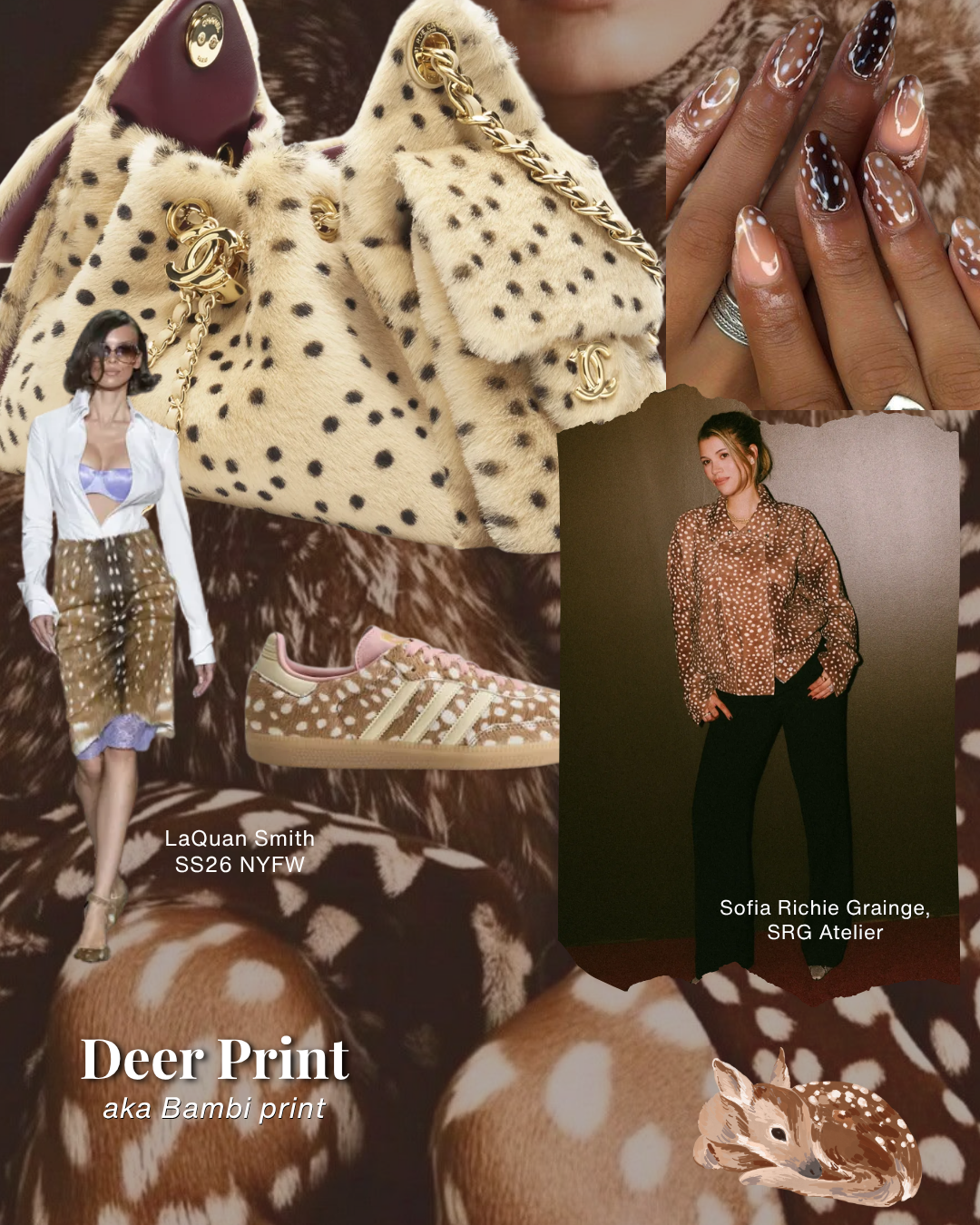
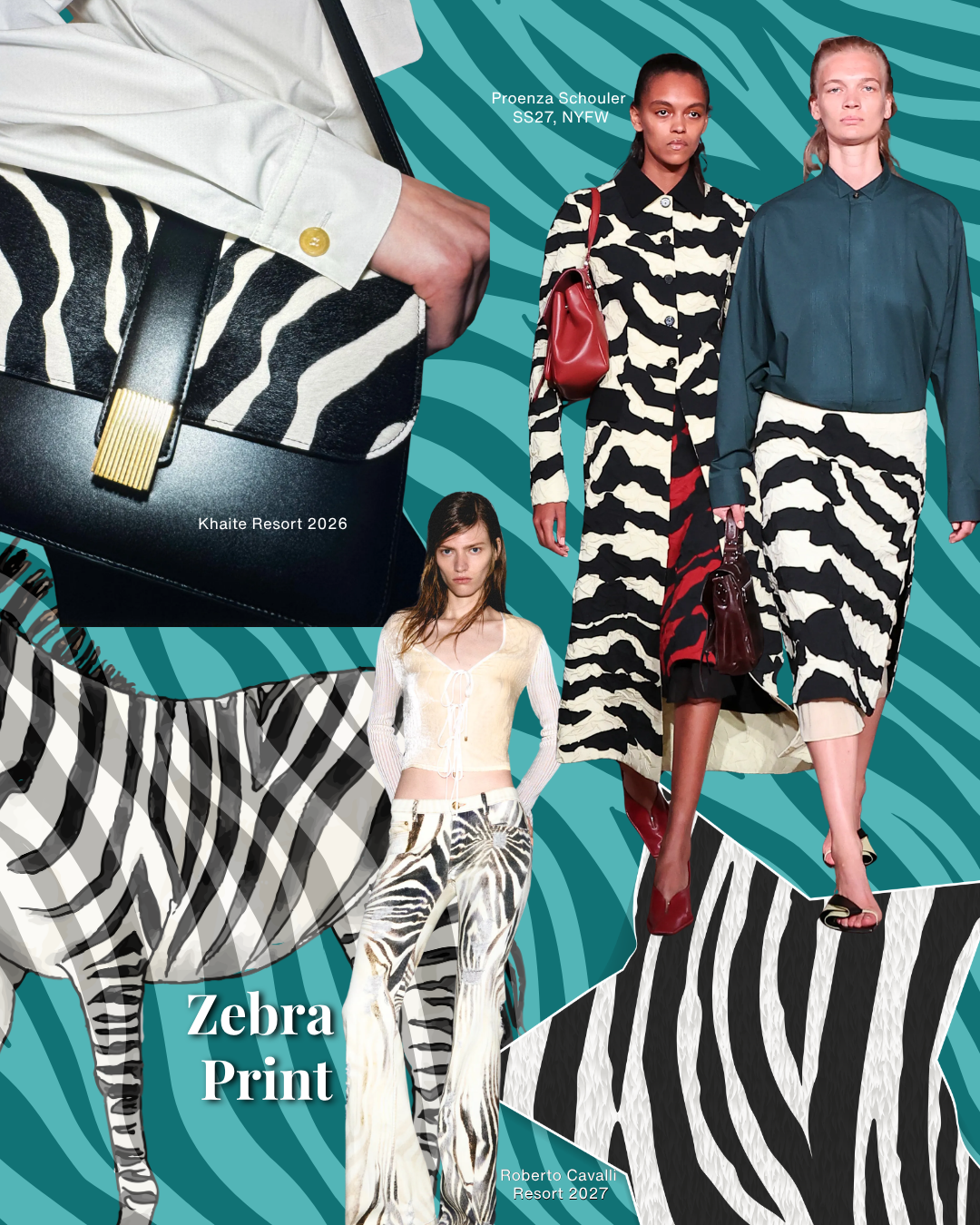
The strongest version of the trend is restraint. A leopard scarf with a cashmere sweater, croc-effect boots with denim or a zebra-print accessory against a simple black dress gives the print purpose without turning the outfit into a costume. The same goes for deer print, whose soft brown-and-cream spots feel more subtle than leopard and work surprisingly well with tailoring, slip skirts and knitwear.
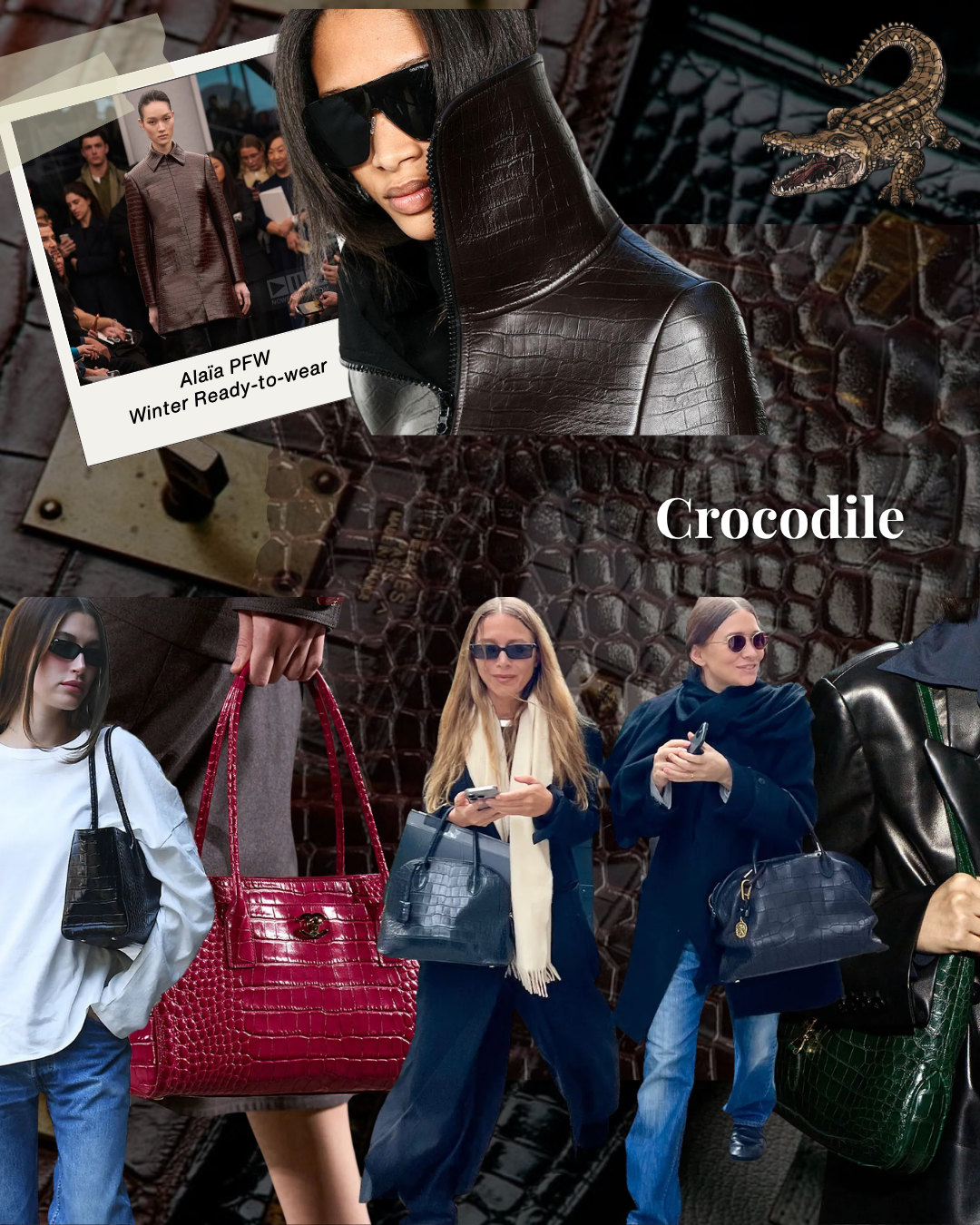
The problem begins when the prints compete. Leopard faux fur, zebra trousers, croc boots and Bambi spots in one look can quickly tip from maximalism into safari cosplay. Crocodile, in particular, works best as a texture rather than a full pattern, especially on bags, shoes, jackets and trousers.
So, are animal prints actually chic, or have we all just agreed to pretend they are?
The answer is both. Animal print can be chic when it is treated as a neutral, a texture or a single point of interest. It becomes less convincing when every animal gets an invitation to the outfit.