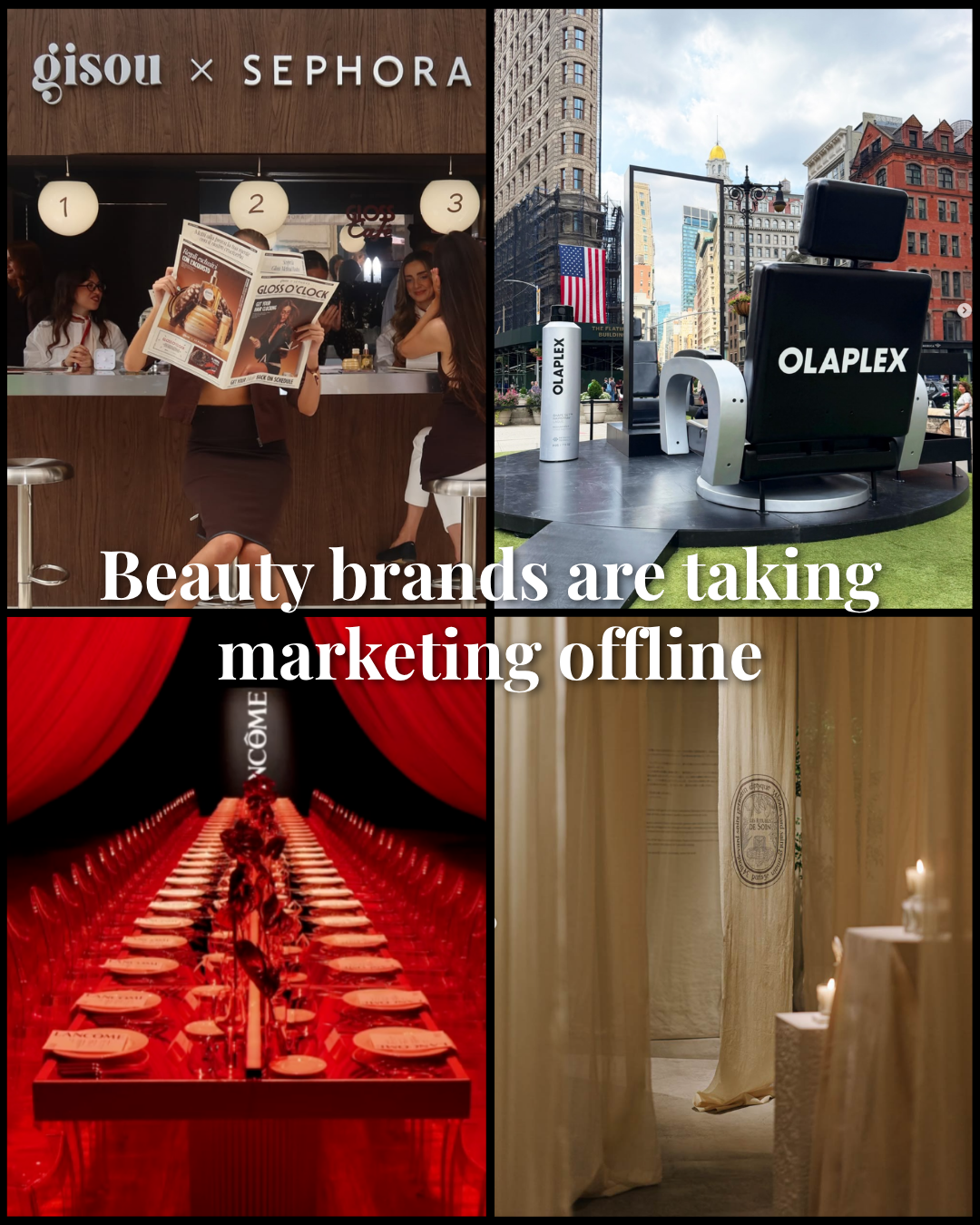
After years of living on our feeds, beauty brands are giving audiences a reason to step away from the screen — and into their worlds.
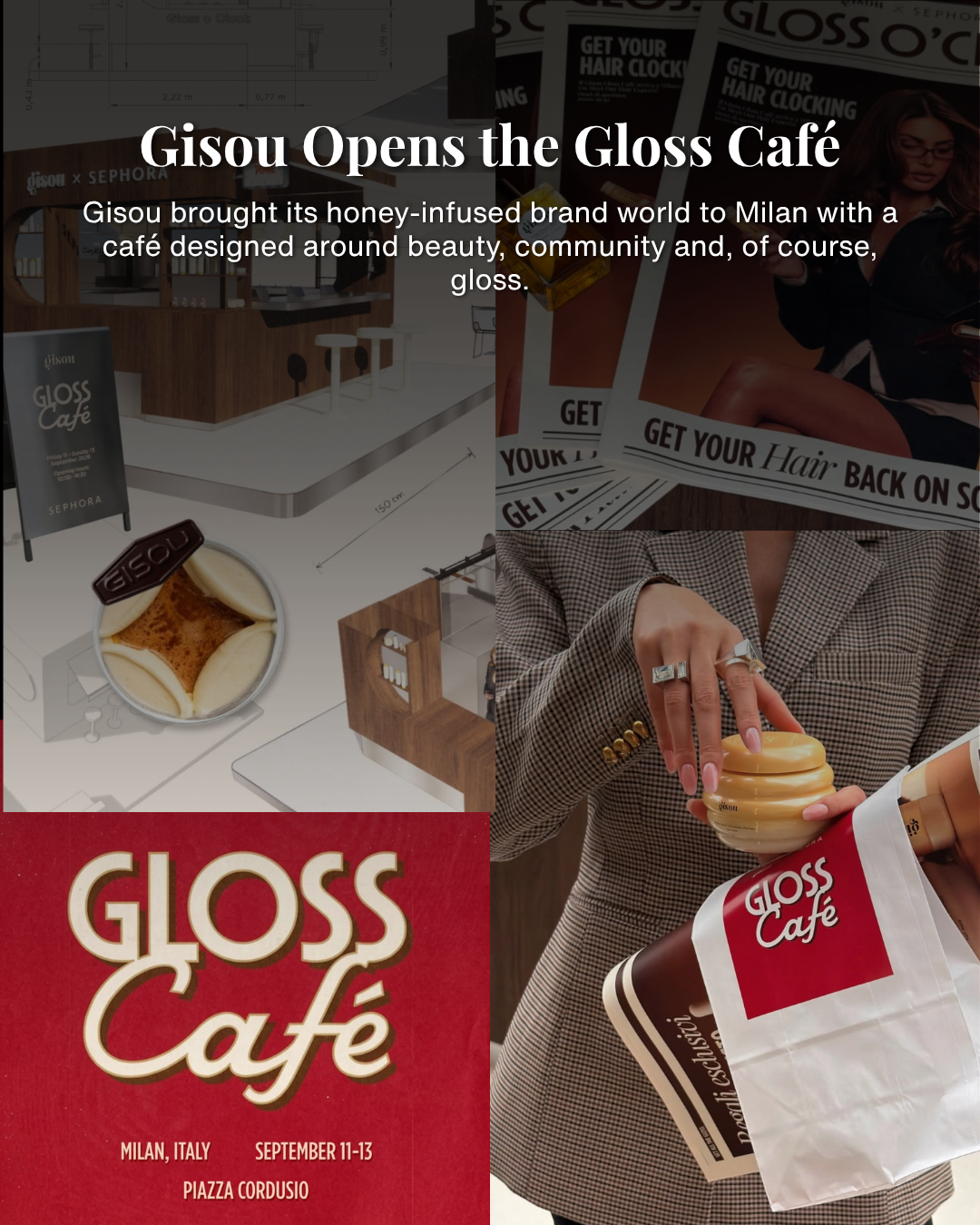
Gisou has turned product discovery into café culture, partnering with Sephora Italy for the Gloss Café in Milan during Beauty Week. Visitors could explore the Gloss Method through personalised consultations, while an affogato made the experience feel less like retail and more like a moment of pleasure. In Paris, Gisou also extended its collaboration with Cédric Grolet, translating its glossy autumn launches into limited-edition pastries infused with Mirsalehi honey.
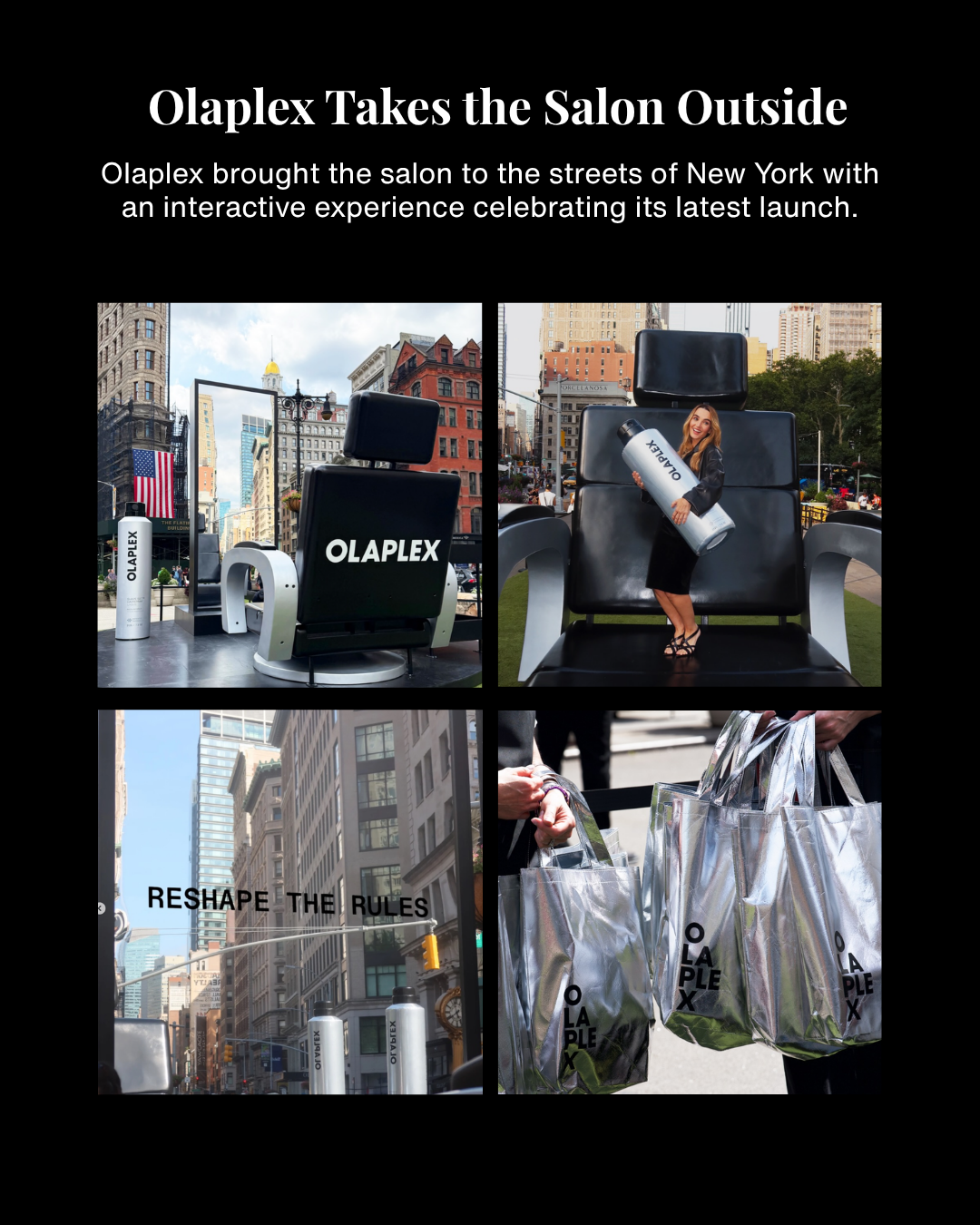
Olaplex brought the salon from URL to IRL in New York City, creating a pop-culture-led activation around Chloe Fineman. A giant photogenic hair chair, complimentary styling and viral commercial references turned a hairspray launch into a physical destination.
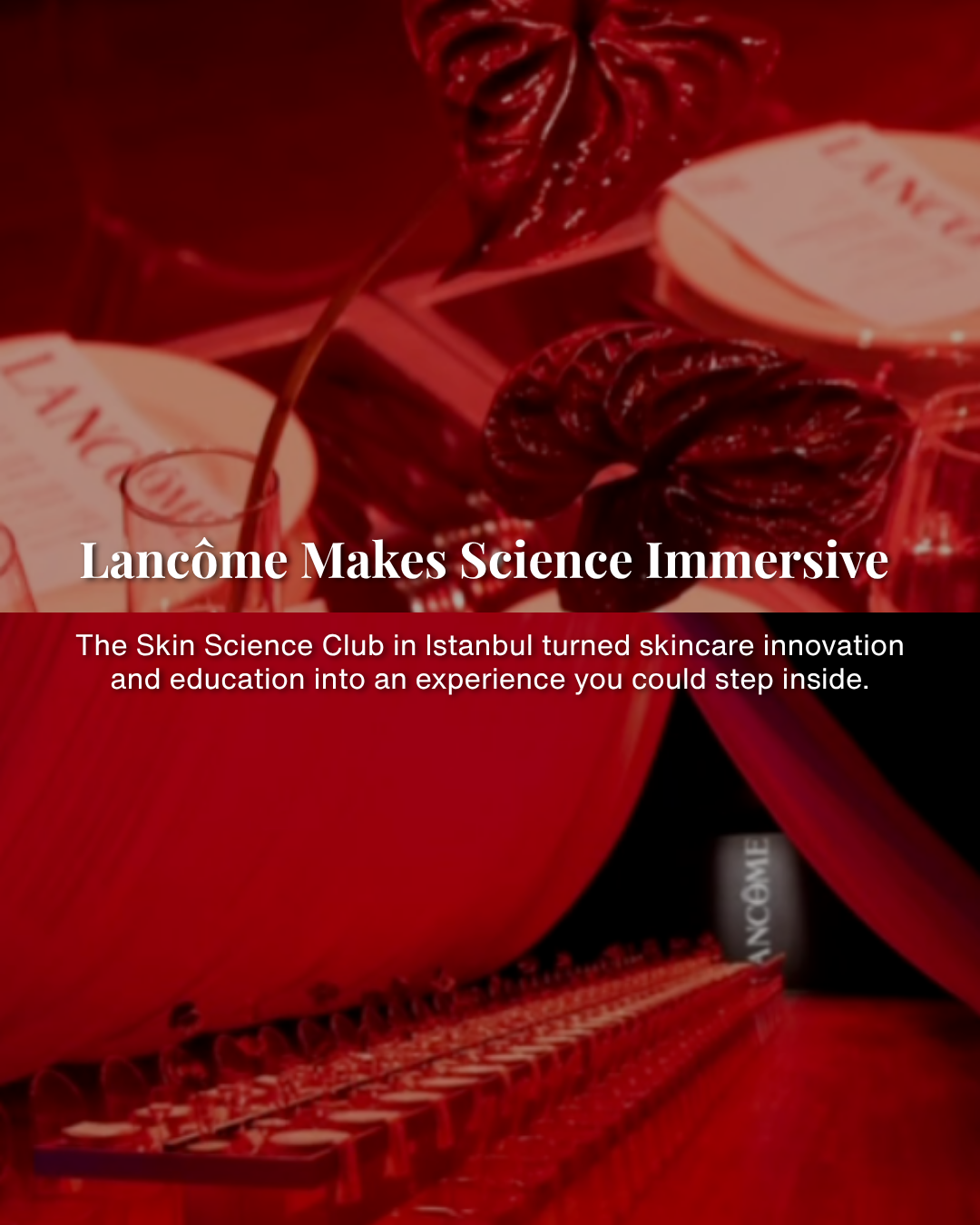
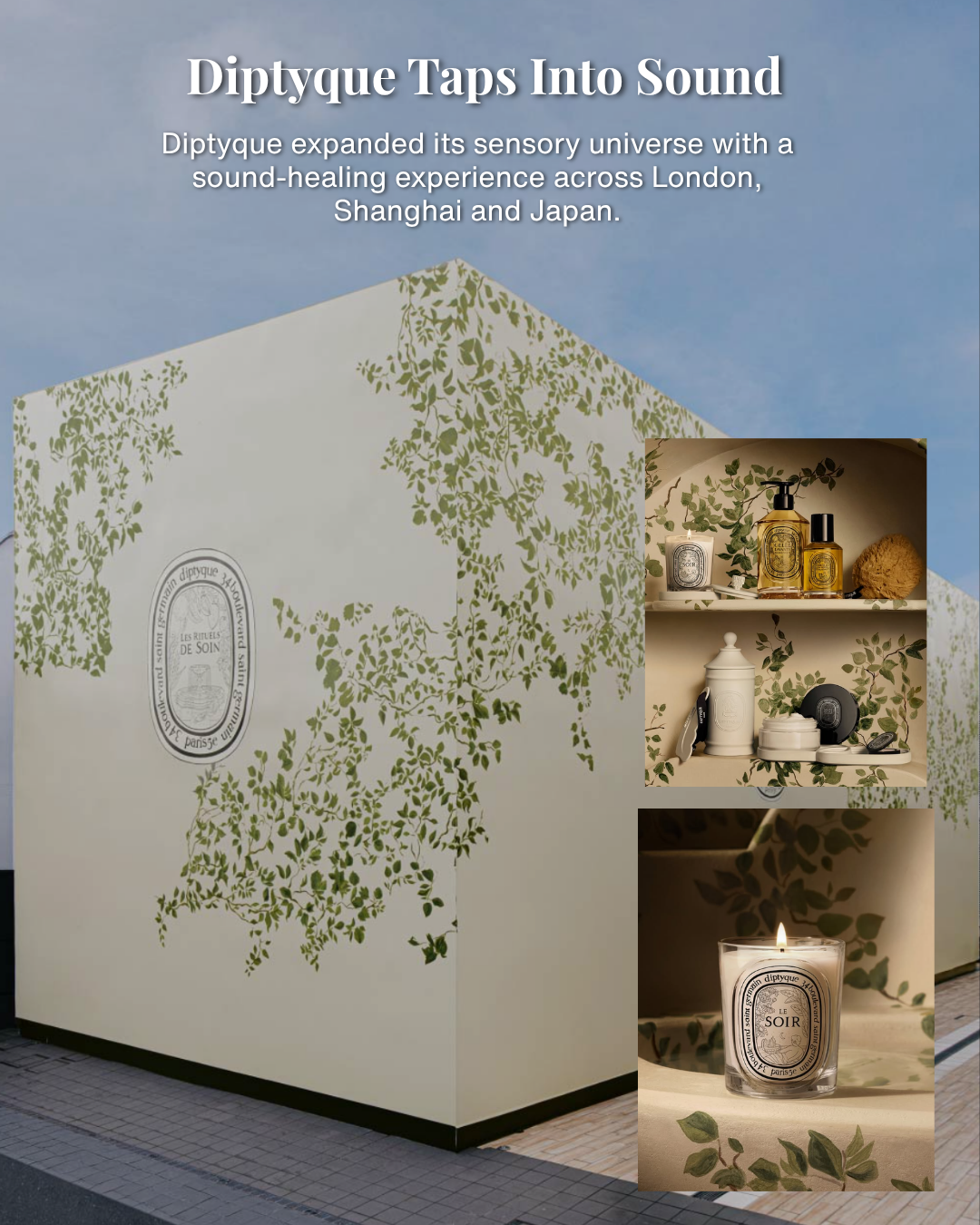
Lancôme is taking a more scientific route with Maison de la Longévité in Paris, combining immersive technology, personalised diagnostics and research-led storytelling around skin health. Diptyque, meanwhile, has made scent and atmosphere central to retail: its Water Garden pop-up in London recreated a Mediterranean garden through fountains, jasmine and orange blossom, while its Paris flagship feels more like a sensorial apartment than a shop.
The irony? Some of the most effective digital campaigns are now designed to be experienced offline first. A good activation gives people a reason to visit, a reason to stay and — inevitably — a reason to post.
So, is this experiential marketing’s real comeback, or simply beauty’s next evolution?